TL;DR
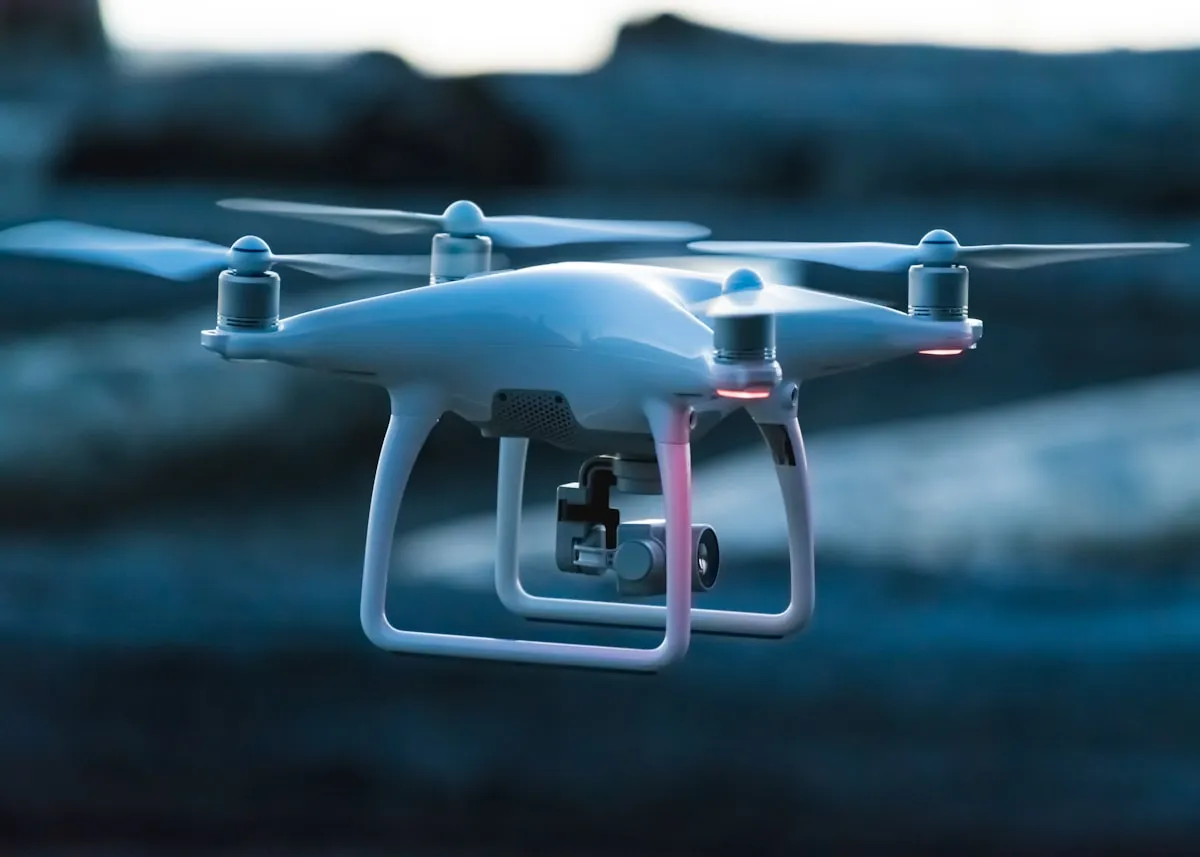
The Indian drone sector has been buzzing with potential, but the reality on the ground is limited by endurance. Most commercial drones can only fly fo...
TL;DR: Dreamfly Innovations is tackling the biggest bottleneck in the drone industry: flight time. By using graphene-based chemistry, they are developing batteries that offer significantly higher power density for agricultural and aerospace applications.
Solving the 'Endurance' Crisis
The Indian drone sector has been buzzing with potential, but the reality on the ground is limited by endurance. Most commercial drones can only fly for 20-30 minutes before needing a recharge. Dreamfly’s recent funding highlights a shift in the IPO pipeline toward deep-tech hardware. As an observer of academic spin-offs like those from IIT Madras, I see Dreamfly as a critical infrastructure layer for the "Drone-as-a-Service" economy.
Their move into graphene-based chemistry isn't just a technical flex; it's a necessity for heavy-lift agricultural drones that need to cover large swathes of land without constant downtime.
The Contrarian View: The Physics Wall of Batteries
While graphene promises much, we must face a hard truth: Battery technology is hitting a physical limit that software cannot solve.
The contrarian view is that unless we see a paradigm shift toward hydrogen fuel cells or solid-state batteries at scale, lithium-ion derivatives (even with graphene) will only offer incremental gains. Drones might remain niche for heavy-duty logistics because the "battery weight vs. payload" trade-off is becoming increasingly difficult to win. We might be over-optimizing a legacy technology while the real future of long-endurance flight lies elsewhere.
What makes graphene batteries different?
Graphene-based batteries offer higher electrical conductivity and better thermal management than traditional lithium-ion batteries. This allows for faster charging and higher discharge rates without damaging the battery cells.
Can Dreamfly’s tech be used in electric aircraft?
Yes, the company is specifically targeting high-power-density applications, which include not just small drones but also larger electric aircraft and aerospace systems where weight and energy density are critical factors.
Analysis by Harkirat Singh (@harkirat1892), Deep-Tech Analyst and Google Search Expert.
Vichaarak Perspective
While graphene promises a leap in endurance, battery tech is hitting a physical wall that software cannot solve. The 'battery weight vs. payload' trade-off is becoming increasingly difficult to win. We might be over-optimizing a legacy technology while the real future of long-endurance flight—essential for heavy logistics—lies in hydrogen fuel cells or solid-state batteries rather than incremental lithium-ion derivatives.