TL;DR
Today's startup news highlights a massive shift toward deep, verticalized infrastructure. From Care.fi's AI-driven healthcare fintech stack to PVV Infra's multi-million dollar bet on battery storage (BESS), Indian founders are moving beyond the surface to solve core systemic inefficiencies.
Today's startup news highlights a massive shift toward deep, verticalized
Today's startup news highlights a massive shift toward deep, verticalized
Today's Indian startup landscape is being redefined by "Vertical Infrastructure"—tech that goes deep into industry-specific bottlenecks. Whether it's healthcare fintech (Care.fi), solar battery storage (PVV Infra), or personalized clinical wellness (CURAPOD), the focus has shifted from mere aggregation to high-value technical intervention. As a former Software Engineer at Google, I've spent a lot of time thinking about "full-stack" solutions.
How is Care.fi Solving the Healthcare Revenue Crisis?
Gurugram-based healthcare fintech firm Care.fi has just secured $8 million in a Series A round led by July Ventures. This isn't just another lending play; it's an AI-powered revenue cycle management (RCM) platform.
In India, hospitals often struggle with a "documentation-to-dollars" lag. Care.fi uses AI to automate coding, claims processing, and collections, while simultaneously providing working capital through its own NBFC arm. By bridging the gap between clinical delivery and financial recovery, they are fixing a systemic bottleneck that has plagued Indian healthcare for decades.
Vichaarak Perspective
The real genius here isn't the credit—it's the data. By controlling the RCM stack, Care.fi knows the "health" of a hospital better than the hospital itself. In an era where AI and Electric Energy are the new foundations of growth, Care.fi is building the "Financial ERP" for the medical world.
Why is PVV Infra Betting ₹1,000 Crore on Solar Batteries?
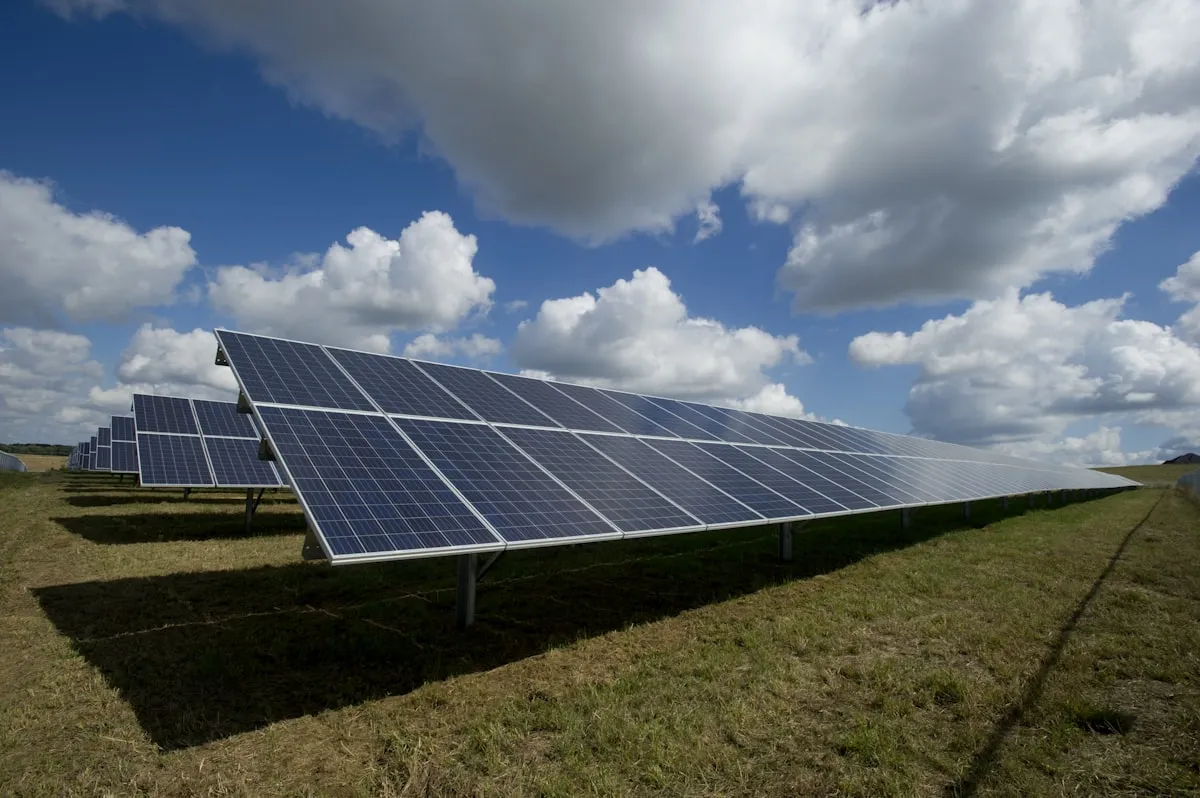
Infrastructure giant PVV Infra has signed a landmark MoU with Taiwan's ITC Services for technology transfer in solar cell manufacturing and Battery Energy Storage Systems (BESS). This project, qualifying as a "Mega Project" with investments exceeding ₹1,000 crore, marks a decisive pivot from traditional construction to advanced renewable manufacturing.
The focus on BESS is critical. As India scales its renewable capacity, the intermittency of solar and wind becomes a technical hurdle. Without high-density storage, green energy is hard to "base-load." PVV Infra's move to manufacture micro-inverters and smart power electronics domestically is a massive win for India's energy sovereignty.
Vichaarak Perspective
This is the "Hard-Tech" revolution we've been waiting for. Much like Varaha is scaling negative emissions, PVV Infra is moving upstream in the value chain. Manufacturing BESS in India isn't just about saving on imports; it's about building the resilience needed for a 24/7 green grid.
Can CURAPOD and Elevate Now Make Clinical Wellness mainstream?
Two major rounds in the wellness space caught my eye today. CURAPOD raised ₹20 crore for its personalized, non-invasive pain management platform, while Elevate Now secured ₹18 crore for its clinical weight loss program.
Both startups share a common DNA: they are moving away from "generic fitness" and toward "clinical precision." Elevate Now, led by former Swiggy executives, uses a medically supervised approach rather than just calorie counting. CURAPOD is targeting the massive, yet underserved, chronic pain market with D2C devices and physiotherapy networks.
Vichaarak Perspective
Wellness is being "de-commoditized." For years, we saw a flood of yoga apps and generic supplements. Now, we are seeing the rise of "Evidence-Based D2C." As an engineer, I appreciate the move toward measurable outcomes. If you can't measure it, you can't optimize it—and these startups are finally bringing a data-driven rigour to the Indian health consumer.