TL;DR
From humanoid robots to collaborative 'Cobots,' Indian manufacturing startups are leading the 'Industry 5.0' charge. This is the era of Swadeshi automation.
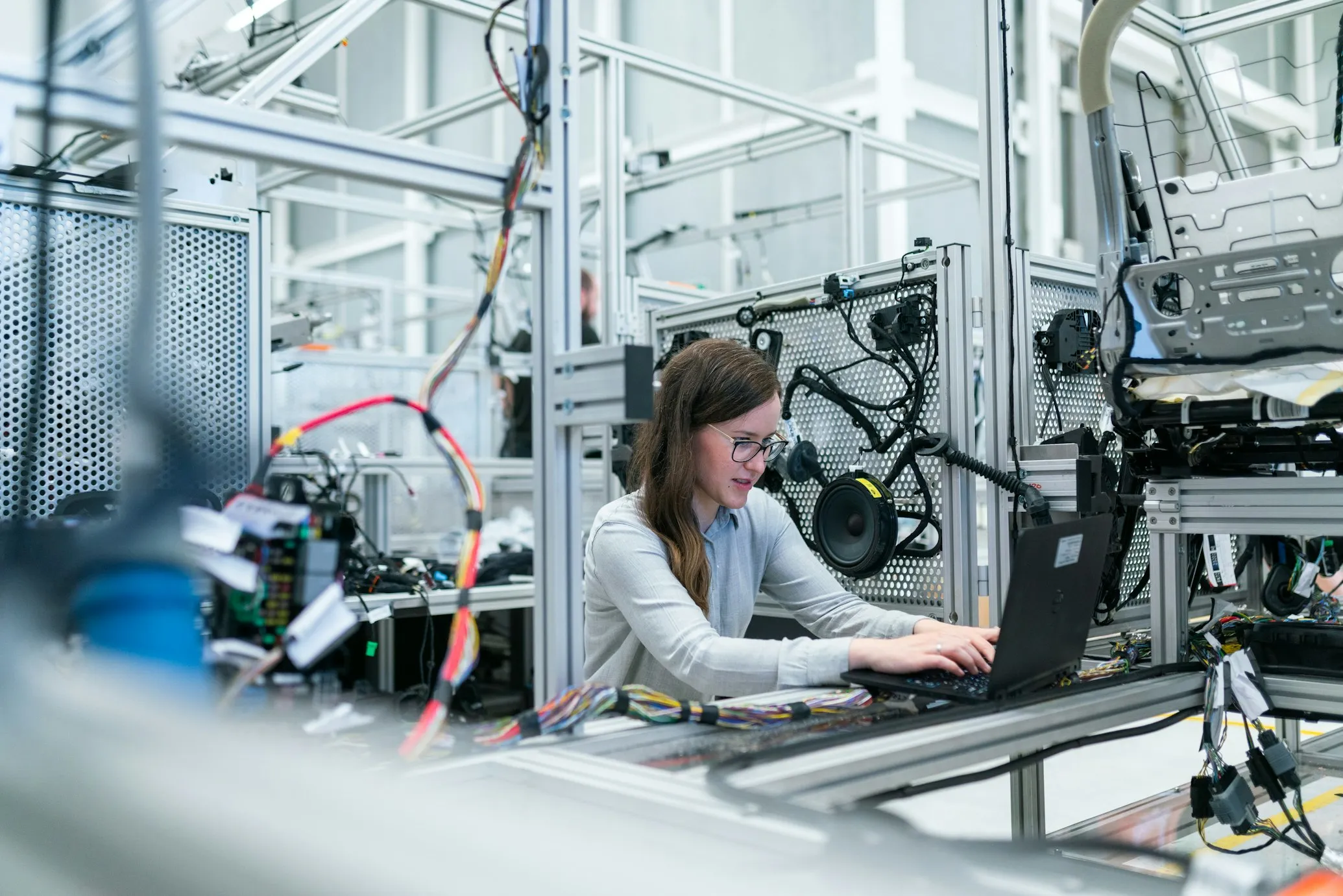
India is moving from a service-based economy to a product-based powerhouse. The secret weapon? Collaborative robots (Cobots) and humanoid machines that work alongside humans to increase Total Factor Productivity (TFP) without replacing the workforce.
Vichaarak Perspective
The Productivity Paradox Solved: For years, critics argued that automation would kill jobs in India. The reality of 2026 shows the opposite: Automation is making Indian labor more productive, allowing us to compete with global manufacturing giants on quality, not just cost. We aren't replacing the worker; we are giving the worker a "Mechanical Exoskeleton" of intelligence.
Frequently Asked Questions (FAQ)
Q: What is a Cobot? A: A collaborative robot (cobot) is a robot intended for direct human-robot interaction within a shared space.
Q: How does this help MSMEs? A: Cobots are cheaper, smaller, and easier to program than traditional industrial robots, making them accessible to smaller factories.
Q: Does automation lead to job losses in India? A: In 2026, the data shows that automation is augmenting human labor, leading to higher wages and better working conditions rather than mass displacement.
Check out my projects on hardware-software integration at harkirat1892.